
Water is the lifeblood of any adventure, and staying properly hydrated is crucial for maintaining energy, focus, and overall well-being on your Scout expeditions. Whether you’re pitching tents at a local campsite or trekking through challenging terrain, having a reliable hydration system is essential. This blog post will explore various hydration options, from classic water bottles to advanced hydration packs, and discuss water purification methods to ensure safe drinking water wherever your adventures take you.
1. Water Bottles: The Classic Choice
Water bottles are a staple for any Scout, offering a simple and convenient way to carry water.
Key Considerations:
- Material:
- Plastic: Lightweight and affordable, but can retain odours or flavours.
- Stainless Steel / Aluminum: Durable, resistant to odours and flavours, but can be heavier.
- Insulated: Keeps drinks cold or hot for extended periods.
- Capacity: Choose a size that suits your needs and activity level.
- Features: Look for features like leak-proof lids, carrying loops, and wide mouths for easy cleaning.
Recommendations:
- Durable stainless steel / Aluminum bottle: Sigg – Aluminum Water Bottle
- Lightweight plastic bottle: Mountain Warehouse BPA Free 1L Plastic Bottle
- Insulated bottle for temperature control: Thermos – Charcoal Ultimate Flask
2. Hydration Packs: Hands-Free Hydration
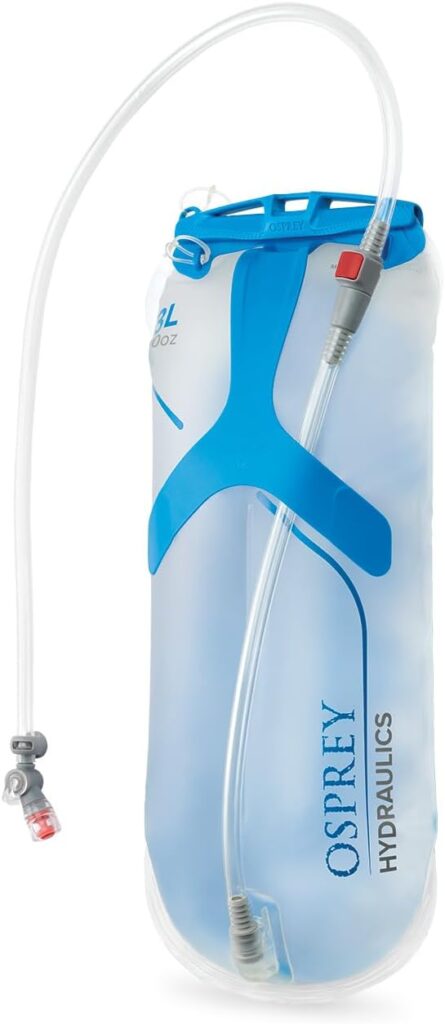
Hydration packs, also known as water backpacks, offer a convenient way to carry larger volumes of water, keeping you hydrated without hindering your movement.
Key Considerations:
- Capacity: Choose a bladder size that matches your needs and activity duration.
- Fit and Comfort: Ensure the pack fits snugly and comfortably, with adjustable straps and back support.
- Features: Look for features like bite valves, quick-release hoses, and pockets for storage.
- Insulation: For cold-weather activities, consider packs with insulated hoses and bladders to prevent freezing.
Recommendations:
- Versatile hydration pack for hiking: Osprey Hydraulics Reservoir
- Hydration pack insulation: Osprey Four Season Insulation Hydration Kit
3. Water Purification: Ensuring Safe Drinking Water
When venturing away from treated water sources, it’s crucial to have a reliable water purification method to protect against waterborne illnesses.
Methods:
- Boiling: The most reliable method, but requires a heat source and time.
- Water Filters: Remove bacteria, protozoa, and sediment. Choose a filter with a pore size of 0.2 microns or smaller.
- Water Purifiers: Use chemical or UV treatments to kill viruses and other harmful microorganisms.
- Purification Tablets: Convenient and lightweight, but may affect taste.
Recommendations:
- Lightweight water filter for hiking: miniworks EX Micro Filter
- Water purification tablets for emergencies: Emergency Water Purification Tablets
Hydration Tips for Different Activities
- General UK Camping: A water bottle or a small hydration pack (1-2 litres) is usually sufficient. Access to treated water is generally available.
- Hiking: A hydration pack (2-3 litres) allows for hands-free hydration on longer hikes. Carry a water filter or purification tablets as a backup.
- Expeditions: A larger hydration pack (3 litres or more) is recommended for multi-day treks. Water purification is essential, with a combination of methods for reliability.
Conclusion
Staying hydrated is vital for any Scout adventure. By understanding your needs and choosing the right hydration system and purification methods, you can ensure access to clean, safe drinking water, no matter where your explorations take you.
Next, let’s delve into the world of navigation! Shall we explore maps, compasses, and GPS devices to help you find your way?