
In today’s tech-driven world, staying connected, even while camping, has become increasingly important. Whether it’s for capturing memories, navigating with GPS, or staying in touch with loved ones, having a reliable power source is essential. This blog post will delve into the world of portable power solutions, helping you choose the right tools to keep your devices charged and ready for adventure.
Younger sections may want to consider that they may not be allowed electronic devices at camps / scouts. Usually Explorers are permitted to take devices at their own risk, along with those going on international trips.
1. Power Banks
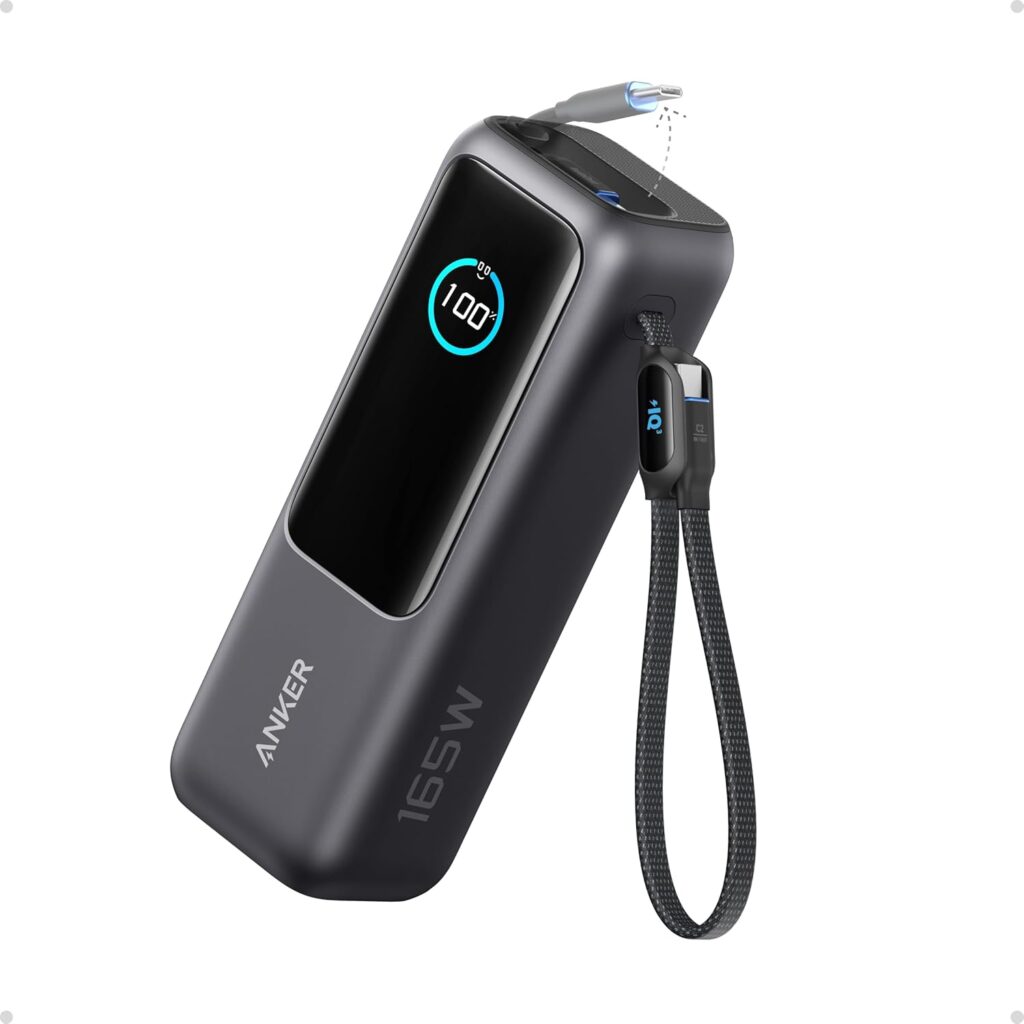
Power banks are compact, portable batteries that can charge your devices on the go. They come in various capacities, measured in milliampere-hours (mAh). Higher mAh means more power.
Key Considerations:
- Capacity: Choose a capacity that suits your needs. For occasional use, a smaller power bank (5,000-10,000 mAh) might suffice. For longer trips or multiple devices, consider a larger one (20,000 mAh or more).
- Output: Check the output voltage and amperage to ensure compatibility with your devices.
- Charging Speed: Look for power banks with fast-charging capabilities to minimise charging time.
- Portability: Balance capacity with size and weight, especially for backpacking or hiking.
- Airline Travel: Most airlines have a limit on power bank capacity (usually around 100Wh, which is roughly 27,000 mAh). Check with your airline for specific regulations.
Recommendations:
- For a high-capacity, fast-charging power bank: Anker 737
- A newer Anker power bank that is the maximum for most airlines (100wh): Anker Prime 27,650mAh
- For a high-capacity, fast charging power bank, with built in cables: Anker Laptop Power Bank
- For a more budget-friendly option: Anker 325
2. GAN Chargers
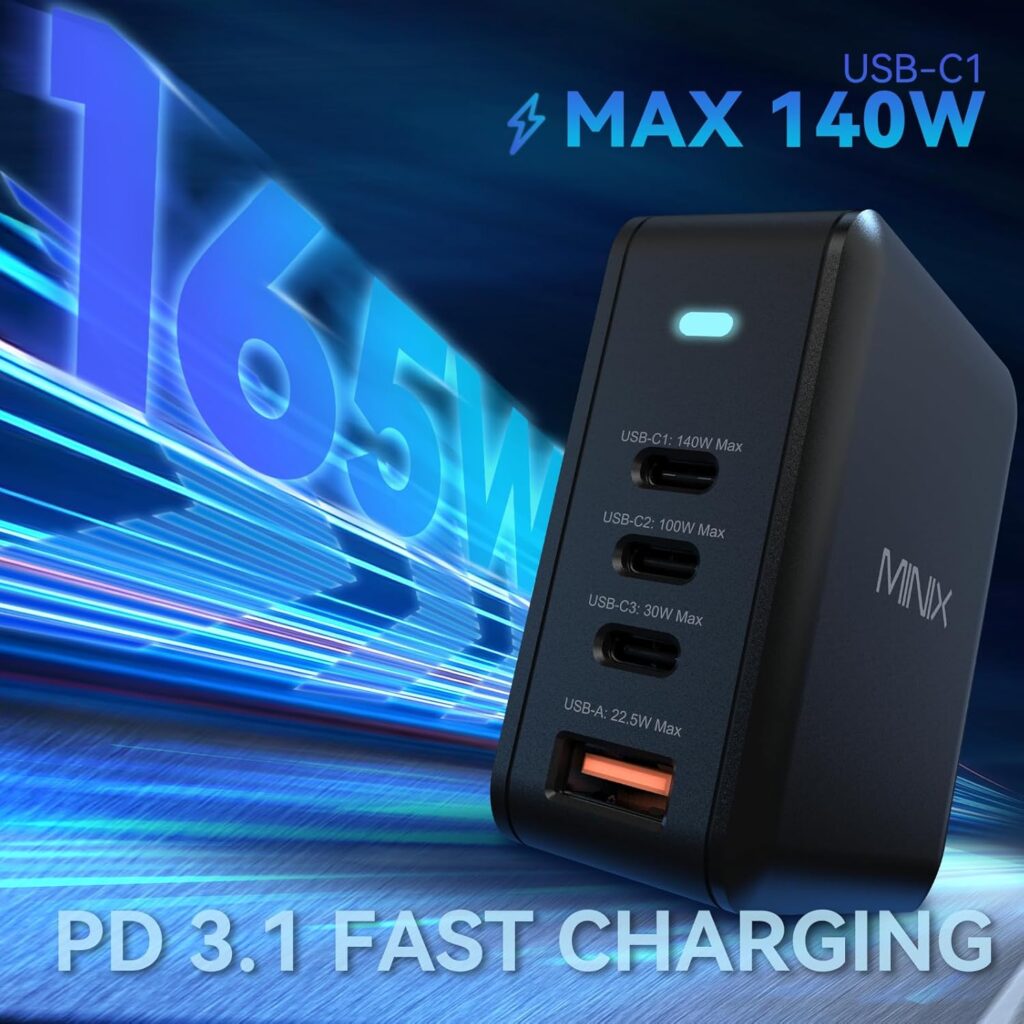
To make the most of your power bank’s fast-charging capabilities, pair it with a GaN (Gallium Nitride) charger. These chargers are smaller, lighter, and more efficient than traditional chargers, allowing for significantly faster charging speeds. Also if you’re on an international camp then if your lucky you might have limited access to a plug or a friend who can get you access to a plug but only for a short period of time, a GAN charger will maximize your power in that short period.
Key Considerations:
- Wattage: Choose a charger with a wattage that matches or exceeds your power bank’s maximum input.
- Ports: Consider a charger with multiple ports to charge multiple devices simultaneously.
Recommendations:
- For a powerful and efficient GaN charger: MINIX 165W GAN, UGREEN 140W GAN
- Or a large multi charging GAN: Rocoren 480W GaN
3. Solar Panels
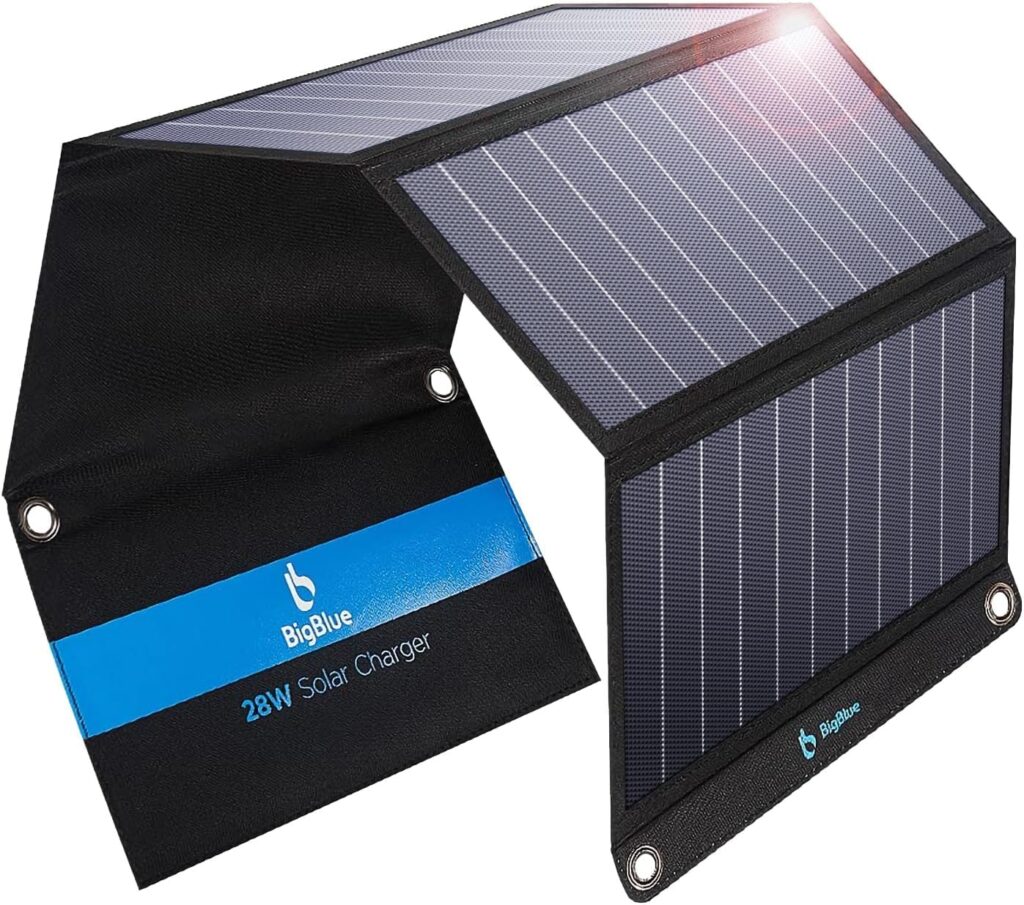
Harness the power of the sun with portable solar panels! These panels convert sunlight into electricity, allowing you to charge your devices sustainably.
Pros:
- Sustainable Power: Reduce your reliance on traditional power sources.
- Great for Remote Locations: Ideal for extended trips or areas with limited access to electricity.
- Emergency Backup: Can provide a crucial power source in emergencies.
Cons:
- Weather Dependent: Charging efficiency is affected by sunlight availability.
- Charging Speed: Generally slower than charging with a power bank or mains electricity.
- Security Concerns: Leaving panels unattended at campsites can increase the risk of theft.
- Placement: Generally need optimal sun placement. Not ideal if you want to leave at your campsite and aren’t around to re-position it.
Key Considerations:
- Wattage: Higher wattage means faster charging.
- Portability: Choose a foldable, lightweight panel for easy transport.
- Durability: Look for weather-resistant panels built to withstand outdoor conditions.
- Efficiency: Consider the panel’s efficiency in converting sunlight to electricity.
Recommendations:
- For a reliable and portable solar panel: BigBlue 28W Solar Charger
Important Note: While dual solar/battery packs might seem convenient, they require leaving the entire unit exposed for charging, increasing the risk of theft. It’s generally recommended to opt for separate solar panels and power banks.
4. Extension Leads and Charging Hubs
These are invaluable for sharing power sources at campsites and managing multiple devices.
Recommendations:
- For a durable extension lead: Basic 4 Gang surge protected lead
- For a multi-port charging hub (if you didn’t get a GAN Charger with many ports): 40W USB Multi Charger (Slow Charge)
5. Essential Accessories
- Durable Charging Cables: Invest in high-quality, braided cables with the correct connectors for your devices. You may also want to look at some cables with 90 degree connectors for your phone as this can reduce wear depending how you use your phone while it charges. Braided cables.
- Plug Adapters: Essential for international travel. I recommend one that is surge-protected/fused and is multi use for many countries. MOMAX Universal Travel Adapter
Tips for Managing Portable Power
- Optimise Device Usage: Reduce screen brightness, turn off Wi-Fi and Bluetooth when not in use, and close unused apps to conserve battery life.
- Charge During Downtime: Take advantage of downtime during the day to charge your devices and power banks.
- Prioritise Essential Devices: If power is limited, prioritise charging essential devices like phones and cameras.
Conclusion
With the right portable power solutions, you can stay connected and powered up throughout your camping adventures. By understanding your needs and choosing the right equipment, you can ensure that your devices are always ready for action.